
FLHR REDUCED REACH HANDLEBAR KIT
J033052008-06-13
GENERAL
Kit Number
56152-04B
Models
For model fitment information, see the P&A retail catalog or the Parts and Accessories section of www.harley-davidson.com (English only).
Additional Parts Required
Separate purchase of additional parts or accessories may be See the P&A retail catalog or the Parts and Accessories section of www.harley-davidson.com (English only) for a list of required parts or accessories for this model.
Fresh, uncontaminated brake fluid will also be needed. Refer to the owner's manual or the service manual for this year and model motorcycle to determine the correct brake fluid for this vehicle.
Motorcycles equipped with a glued left-side hand grip will also require a new grip, sold separately. Refer to the parts catalog for replacement original equipment (OE) hand grips.
Ask a Harley-Davidson dealer about the selection of Genuine Motor Accessory hand grips that are available.
 WARNING
Rider and passenger safety depend upon the correct installation of this kit. Use the appropriate service manual procedures. If the procedure is not within your capabilities or you do not have the correct tools, have a Harley-Davidson dealer perform the installation. Improper installation of this kit could result in death or serious injury. (00333b)
NOTE
This instruction sheet references service manual information. A service manual for this model motorcycle is required for this installation and is available from a Harley-Davidson Dealer.
INSTALLATION
Preparation
WARNINGTo prevent accidental vehicle start-up, which could cause death or serious injury, disconnect battery cables (negative (-) cable first) before proceeding. (00307a)
WARNINGDisconnect negative (-) battery cable first. If positive (+) cable should contact ground with negative (-) cable connected, the resulting sparks can cause a battery explosion, which could result in death or serious injury. (00049a)
- Refer to the service manual and follow the instructions given to remove the seat and disconnect the battery cables, negative cable first. Retain all seat mounting hardware.
- For all models except FLHRS: The front brake lines can remain assembled to the brake lever/master cylinder assembly. Support the entire brake lever/master cylinder assembly during the handlebar replacement to prevent the front brake lines from being kinked or damaged, and proceed to "Original Handlebar Removal". For FLHRS models only: Bleed the brake fluid from the front brakes. See the service manual.
Original Handlebar Removal
NOTE
Cover the front fender and the front of the fuel tank with clean shop towels to prevent scratching. Damage to the finish could result.
FLHR and FLHRC models: Remove the windshield. See the service manual.
NOTICE
Remove brake line components carefully. Damage to seating surfaces can cause leakage. (00320a)
| 1. | Using a T-40 TORX® drive head, remove and retain the button head screw on the underside of the fork stem and bracket assembly that holds the brake line manifold tee. | |||||||||||||||||||||||||
| 2. | For FLHRS models only: Carefully make note of the front brake line routing and the orientation of the banjo fittings. Disconnect the brake lines from the front brake calipers and the front brake master cylinder assembly. Save the banjo bolts, but discard the two gaskets found at each banjo fitting. See the service manual. | |||||||||||||||||||||||||
| 3. | Remove the old brake lines from the motorcycle. | |||||||||||||||||||||||||
| 4. | For models with handlebar-mounted turn signals, remove the plastic wiring retainer clips that secure the turn signal harnesses to the handlebar. | |||||||||||||||||||||||||
| 5. | For ALL models: Using a T-27 TORX® drive head, remove the front-brake master cylinder and clutch-lever assemblies from the handlebar. | |||||||||||||||||||||||||
| 6. | Refer to the service manual, and follow the instructions to disconnect the clutch cable from the clutch lever. | |||||||||||||||||||||||||
| 7. | Remove the headlamp assembly from the headlamp nacelle. See the service manual. NOTE Molex connectors are used for the handlebar control wiring on 2007 and later models. 2006 and earlier vehicles use Deutsch connectors. Refer to the the service manual for disconnection and re-connection procedures. | |||||||||||||||||||||||||
| 8. | Disconnect the handlebar control wiring from the gray and black six-way main harness connectors inside the headlamp nacelle. Separate the six-way turn signal connector halves. Disconnect the electronic cruise-control wiring from the two four-way connectors if the vehicle is so equipped. NOTE Before disconnecting the turn signal wiring, note turn signal wire routing. | |||||||||||||||||||||||||
| 9. | For models with handlebar-mounted turn signals, separate the six-way turn signal connector halves. | |||||||||||||||||||||||||
| 10. | Refer to the service manual for removal of the right-side switch housing assembly and harness. This is necessary to access the throttle cables. | |||||||||||||||||||||||||
| 11. | Refer to the service manual to disconnect the throttle cables from the existing right grip/throttle sleeve assembly. | |||||||||||||||||||||||||
| 12. | Refer to the service manual for removal of the left-side switch housing assembly and wire harness. | |||||||||||||||||||||||||
| 13. | See Figure 1. Reaching inside the headlamp nacelle (4), remove the flange nut (7) to release the trim strip (5) at the top of the nacelle. Retain the nut and trim strip for later assembly. | |||||||||||||||||||||||||
| 14. | Carefully pry off the fork-lock label plate (3) from the stock handlebar cover (2). Remove the entire plastic plate; do not remove the adhesive label from the plate. | |||||||||||||||||||||||||
| 15. | Remove and retain the two Phillips flat head screws (8) underneath the label plate that hold the handlebar cover to the fork lock. NOTE On FLHRS models, the handlebar cover (2) and wind deflector (6) should remain assembled in the following steps. | 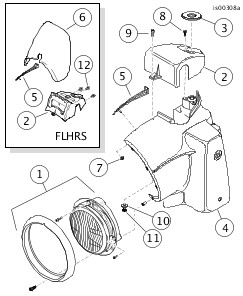
Figure 1. Nacelle, Headlamp and Handlebar Cover | ||||||||||||||||||||||||
| 16. | For FLHR and FLHRC models:For FLHRS models: a. Loosen, but do not remove the Phillips pan head screw (9), nut (11) and flat washer (10) holding the front of the handlebar cover (2) to the nacelle. b. Raise the handlebar clamp cover slightly, and while separating the halves of the headlamp nacelle, slide the cover forward, running the shaft of the screw down the gap until the cover is free of the nacelle. c. Loosen, but do not remove the Phillips pan head screw (9), nut (11) and flat washer (10) holding the front of the handlebar cover (2) and wind deflector (6) assembly to the nacelle. d. Reaching inside the headlamp nacelle, release the screw head from the slot in the wind deflector tab, then draw the screw assembly down and out through the headlamp nacelle. | |||||||||||||||||||||||||
| 17. | See Figure 2. Remove and retain the screws (1) and flat washers (2) that fasten the handlebar upper clamps (3) to the risers (5). Remove and discard the clamps. Remove the handlebar (4) from the motorcycle. | 
Figure 2. Handlebar Clamps and Risers | ||||||||||||||||||||||||
| 18. | If the left-side hand grip is not glued to the
handlebar: Remove the hand grip and set it aside for installation to the new handlebar. NOTE 2007 and later models use Molex connectors. 2006 and earlier vehicles use Deutsch connectors. Refer to the service manual for terminal removal and installation procedures. DO NOT remove the wires from the Molex or Deutsch handlebar switch connector pin housings inside the nacelle. DO NOT remove the wires from the Multilock connector pin
housing inside the nacelle. | |||||||||||||||||||||||||
| 19. | Note the wire colors and positions in each cavity of the socket housings leading from the switches. Refer to the wiring diagram and instructions in the service manual. Remove the wires from the socket housings. For models with handlebar-mounted turn signals, note the wire colors and positions in each cavity of the Multilock socket housing leading from the turn signals. Refer to the wiring diagram and instructions in the service manual. Remove the wires from the socket housing. | |||||||||||||||||||||||||
| 20. | Use tape to wrap the wire terminal ends from each source to make separate leaders. Wrap each leader tight enough to enter the grommet hole and pass easily through the new handlebar. |
New Handlebar Wiring
| 1. | Remove the plastic wiring retainer clips that secured both switch harnesses to the original handlebar. | |||||||
| 2. | See Figure 5. Slide one large grommet (2) onto each of the switch-wire bundles, positioning the grommet close to the switch end. | |||||||
| 3. | For models without handlebar-mounted turn signals, install the hole plugs (4) from the kit into the smaller turn-signal wire hole near each end of the handlebar. Proceed to step 8. For models with handlebar-mounted turn signals, slide one small grommet (3) onto each of the turn-signal wire bundles, positioning the grommet close to the turn signal end. | |||||||
| 4. | Apply a light coat of liquid soap, window cleaner, or all-purpose lubricant to the right-side turn signal wire bundle. | |||||||
| 5. | Gently feed the right-side turn-signal wire leader into the small round grommet hole near the right-side end of the new handlebar and toward the large opening in the center of the bar. | |||||||
| WARNING Carefully pull the wires through hole in handlebar to prevent stripping the wires. Stripped wires can cause short circuits and damage vehicle electrical components, which could cause loss of vehicle control resulting in death or serious injury. (00418b) | ||||||||
| 6. | Pull the taped end of the wire bundle through the wire-exit hole at the center of the handlebar. | |||||||
| 7. | Repeat steps 4 through 6 for the left-side turn signal wires. | |||||||
| 8. | Apply a light coat of liquid soap, window cleaner, or all-purpose lubricant to the right-side switch wire bundle. | 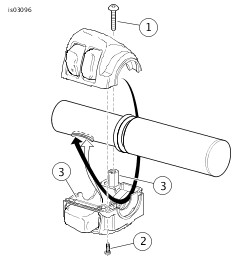
Figure 3. Switch-Housing Wire Routing (Right-Side Housing Shown) | ||||||
| WARNING Wiring in the switch housings must be routed exactly as shown. Pinch points in the switch housings can short-circuit or sever wires, which could cause loss of control resulting in death or serious injury. (00415b) | ||||||||
| 9. | See Figure 3. Route the switch wire bundle through the switch housing as shown. Gently feed the wire bundle into the oblong switch wire hole near the right-side end of the handlebar, and toward the center of the bar. | |||||||
| WARNING Grommets in each of the wiring holes in the handlebar must remain in position after routing the wiring through the handlebar. Operation without the grommets in place can damage wires, causing a short circuit which could result in death or serious injury. (00416d) | ||||||||
| 10. | Pull the taped end of the wire bundle through the wire-exit hole at the bottom center of the handlebar. | |||||||
| 11. | Repeat steps 8 through 10 for the left-side handlebar switch wires. | |||||||
| 12. | See Figure 5. Insert the switch-wire grommets (2) into place in the switch-wire holes in the handlebar. NOTE The round turn-signal wiring grommets are an extremely tight fit. Use a twisting motion to avoid damaging the grommets. | |||||||
| 13. | For models with handlebar-mounted turn signals, insert the turn-signal grommets (3) into place in the turn-signal wire holes in the handlebar. | |||||||
| 14. | Loosely fasten the brake-lever and clutch-lever clamps to the new handlebar. | |||||||
| 15. | Loosely fasten the handlebar switch housings to the new handlebar. | |||||||
| 16. | See Figure 5 : a. Cut the 4 inch (102 mm) long piece of heat-shrink tubing (5) from the kit into two equal pieces. b. Slide one piece of the tubing over the end of each switch-wire bundle exiting the center hole of the handlebar. | |||||||
| 17. | Remove the tape from the ends of the wire bundles. | |||||||
| 18. | Check for electrical continuity between the handlebar and each wire in the wire bundles. Continuity would indicate a short circuit, which would require examination of the wires and routing in the switch housing. NOTE The heat-shrink tubing on the wire bundles exiting the bottom center of the handlebar must be installed to protect the wires from damage and short circuits at the wire-exit hole on the handlebar. | |||||||
| WARNING Wires exiting the bottom center of the handlebar must be protected from wear with heat-shrink tubing at the wire-exit hole on the handlebar. Failure to protect wires with shrink tubing can cause short-circuits or severed wires, which could cause loss of vehicle control resulting in death or serious injury. (00432c) | ||||||||
| 19. | Position the heat-shrink tubing (installed on the wire bundles in step 16) in the area of the center wire-exit hole on the handlebar. |
WARNINGBe sure to follow manufacturer's instructions when using the UltraTorch UT-100 or any other radiant heating device. Failure to follow manufacturer's instructions can cause a fire, which could result in death or serious injury. (00335a)
- Avoid directing heat toward any fuel system component. Extreme heat can cause fuel ignition/explosion resulting in death or serious injury.
- Avoid directing heat toward any electrical system component other than the connectors on which heat shrink work is being performed.
- Always keep hands away from tool tip area and heat shrink attachment.
- Use a heat gun or suitable radiant-heating device to shrink the heat-shrink tubing to the wire bundles.
New Handlebar Installation
| 1. | See Figure 5. Center the new handlebar on the risers. To make sure that the handlebar is centered, verify that the knurled areas on the outboard side of each riser are equal. | |
| 2. | Position the new handlebar upper clamp (6) from the kit, and install with the clamp screws (F) and flat washers (G) saved earlier. Snug the screws, but do not fully tighten. NOTE Molex connectors are used for the handlebar control wiring on 2007 and later models. 2006 and earlier vehicles use Deutsch connectors. Refer to the service manual for connection procedures. | |
| 3. | Refer to the notes made during the removal steps, and the wiring diagram and instructions in the service manual. Insert each socket terminal from the left-side switch-wire bundle into the correct cavity of the gray socket housing removed earlier. | |
| 4. | Insert each socket terminal from the right-side switch-wire bundle into the correct cavity of the black socket housing removed earlier. | |
| 5. | For models with handlebar-mounted turn signals, refer to the notes made during the removal steps, and the wiring diagram and instructions in the service manual. Insert each socket terminal leading from the turn signals into the correct cavity of the Multilock socket housing removed earlier. Install the clips and/or wire guides saved earlier. | |
| 6. | Feed the switch-wire socket housings (and turn-signal socket housing, if present) into the headlamp nacelle. NOTE Some models require installation of switch wire extensions in order to reach the vehicle harness pin housings in the nacelle. Refer to the latest P&A retail catalog or the Parts and Accessories section of www.harley-davidson.com (English only) for a list of required parts or accessories for this model. | |
| 7. | Connect the gray six-way switch-wire socket housing coming from the bottom-center of the handlebar to the gray six-way pin housing. Connect the black six-way switch-wire socket housing to the black six-way pin housing. If so equipped, connect the four-way cruise control harnesses in the same manner. | |
| 8. | If present, connect the black six-place Multilock connector coming from the bottom-center of the handlebar to the black six-way Multilock pin housing. | |
NOTICE Improperly aligned handlebars or components can contact the fuel tank when turned to the left or right. Contact with the fuel tank can cause cosmetic damage. (00372b) | ||
| 9. | Slowly turn the front wheel to the full right fork stop and then the full left fork stop to be sure the handlebar does not contact the fuel tank. If contact occurs and the handlebars are properly centered, raise the handlebar angle as necessary until proper clearance is obtained. | |
| 10. | Tighten the upper handlebar-clamp screws as follows: a. Tighten the front screws until the upper handlebar clamp makes contact with the handlebar riser. b. Tighten the rear screws to 16.3–21.7 N·m (12–16 ft-lbs). c. Tighten the front screws to 16.3–21.7 N·m (12–16 ft-lbs). NOTE There will be a slight gap between the upper clamp and the risers toward the rear of the handlebars after tightening. | |
| 11. | Refer to the service manual, and follow the instructions given to install the throttle control cables and a new (purchased separately) or original right grip/throttle sleeve assembly. | |
| 12. | Adjust the position of the switch housing and the brake lever assembly on the handlebar for rider comfort and posture. The brake master cylinder must be horizontally level. NOTE Tighten the top brake lever clamp screw before tightening the bottom screw. | |
| 13. | Use a T-27 TORX drive head to tighten first the top, then the bottom brake-lever clamp screws to 8–9 N·m (71–80 in-lbs). NOTE Tighten the lower switch housing screw before tightening the upper screw. This will leave any gap in the switch housing at the front for best appearance. | |
| 14. | Use a T-25 TORX drive head to tighten first the lower, then the upper switch housing screws to 4–5.1 N·m (35–45 in-lbs). | |
| 15. | Verify that the right grip/throttle sleeve rotates and returns freely and does not bind on the handlebar or switch housing. NOTE If the handlebar grips are patterned, align the pattern on the left grip with the pattern on the right grip while the throttle is in the fully closed position. | |
| 16. | Install a new (purchased separately) or original handlebar grip on the left end of the new handlebar according to the handlebar grip instruction sheet or the service manual. | |
| 17. | Refer to the service manual. Adjust the positions of the switch housing and the clutch lever assembly on the handlebar for rider comfort and posture. | |
| 18. | Use a T-27 TORX drive head to tighten first the top, then the bottom clutch-lever clamp screws to 8–9 N·m (71–80 in-lbs). | |
| 19. | Use a T-25 TORX drive head to tighten first the lower, then the upper switch housing screws to 4–5.1 N·m (35–45 in-lbs). |
Final Assembly
| 1. | To avoid possible damage to the brake hose and throttle cables, verify that the trim strips remain installed on the inside edges of the headlamp nacelle. Replace the strips if missing, cracked or damaged NOTE On FLHRS models, the handlebar cover and wind deflector should have remained assembled when removed from the vehicle. On ALL models, the Phillips pan head screw, flange nut and flat washer should also have remained assembled. If separated, re-assemble per the instructions in the service manual. | |
| 2. | For FLHR and FLHRC models:For FLHRS models: a. Obtain the handlebar clamp cover saved earlier. Separate the halves of the headlamp nacelle slightly. With the flat washer and nut inside the nacelle, slide the handlebar clamp cover rearward, running the shaft of the screw down the gap until the cover is positioned over the flange at the top of the nacelle. b. Mate the halves of the nacelle, and tighten the screw to 1.1–2.3 N·m (10–20 in-lbs). c. Obtain the handlebar clamp cover/wind deflector assembly and the screw/nut/flat washer assembly saved earlier. Position the handlebar clamp cover/wind deflector assembly on the flange at the top of the headlamp nacelle. d. See Figure 4 Holding the screw assembly, reach inside the headlamp nacelle and insert just the screw head up through the opening to engage the slot in the wind deflector tab. The nut and flat washer should remain inside the nacelle. Tighten the screw to 1.1–2.3 N·m (10–20 in-lbs). | 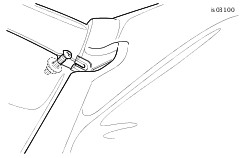 Figure 4. Wind Deflector Assembly to Nacelle (FLHRS Models) |
| 3. | See Figure 5. Install the two Phillips flat head screws (B) removed earlier to secure the handlebar clamp cover to the fork lock mechanism. | |
| 4. | Press the original fork-lock label plate (A) into position on the handlebar cover. | |
| 5. | Obtain the chrome nacelle trim strip and serrated flange nut removed earlier. Insert the weld stud on the trim strip into the hole at the top of the headlamp nacelle, and reach inside the nacelle to install the flange nut. Tighten the nut to 1.7–2.3 N·m (15–20 in-lbs). | |
| 6. | Install the headlight into the nacelle. See the service manual. | |
| WARNING Replace brake line gaskets. Re-using original gaskets can cause brake failure and loss of vehicle control, which could result in death or serious injury. (00318a) NOTICE Avoid leakage. Be sure gaskets, banjo bolt(s), brake line and caliper bore are clean and undamaged before assembly. (00321a) | ||
| 7. | Carefully inspect the new brake line for damage or defects, and replace if damaged. Install the brake line per the service manual instructions or the instructions included with the Brake Line Kit. | |
| 8. | Bleed the brakes. See the service manual. | |
| 9. | ALL models: Re-install the clutch cable to the clutch lever per the instructions in the service manual. |
Safety Check
WARNINGBe sure that steering is smooth and free without interference. Interference with steering could result in loss of vehicle control and death or serious injury. (00371a)
- Be sure wires, clutch cables, throttle/idle cables and brake lines do not pull tight when handlebars are turned fully to left or right fork stops.
WARNINGConnect positive (+) battery cable first. If positive (+) cable should contact ground with negative (-) cable connected, the resulting sparks can cause a battery explosion, which could result in death or serious injury. (00068a)
| 1. | Verify that the Ignition/Light Key Switch is turned to the OFF position. Apply a light coat of Harley-Davidson electrical contact lubricant (part number 99861-02), petroleum jelly or corrosion retardant material to the battery terminals. Refer to the service manual and follow the instructions given to attach the battery cables (positive cable first). | |
| WARNING Be sure that all lights and switches operate properly before operating motorcycle. Low visibility of rider can result in death or serious injury. (00316a) | ||
| 2. | Turn the Ignition/Light Key Switch to IGNITION and test each handlebar switch for proper operation. | |
| 3. | Apply the front brake hand lever to test operation of the brake lamp. | |
| WARNING After installing seat, pull upward on seat to be sure it is locked in position. While riding, a loose seat can shift causing loss of control, which could result in death or serious injury. (00070b) WARNINGBefore starting engine, be sure throttle control will snap back to idle position when released. A throttle control that prevents engine from automatically returning to idle can lead to loss of control, which could result in death or serious injury. (00390a) WARNINGAfter repairing the brake system, test brakes at low speed. If brakes are not operating properly, testing at high speeds can cause loss of control, which could result in death or serious injury. (00289a) | ||
| 4. | Refer to the service manual, and follow instructions to install the seat. |
SERVICE PARTS

Figure 5. Service Parts
Table 1. Service Parts Table
Item | Description (Quantity) | Part Number |
|---|---|---|
1 | Handlebar | Not sold separately |
2 | Handlebar grommet, large (2) | 11386 |
3 | Handlebar grommet, small (2) | 11398 |
4 | Plug (2) | Not sold separately |
5 | Heat-shrink tube, large | 72162-02 |
6 | Handlebar upper clamp | 55918-08 |
Items mentioned in text, but not included in kit: | ||
A | Original equipment fork-lock plate (FLHRS models) | |
B | Original equipment Phillips flat head screws (2) | |
C | Original equipment Phillips pan head screw | |
D | Handlebar cover (FLHR/ FLHRC shown) | |
E | Original equipment handlebar riser (2) | |
F | Original equipment handlebar clamp screw (4) | |
G | Original equipment flat washer (4) | |